
What’s the Difference Between Vitamin D and Vitamin D3?
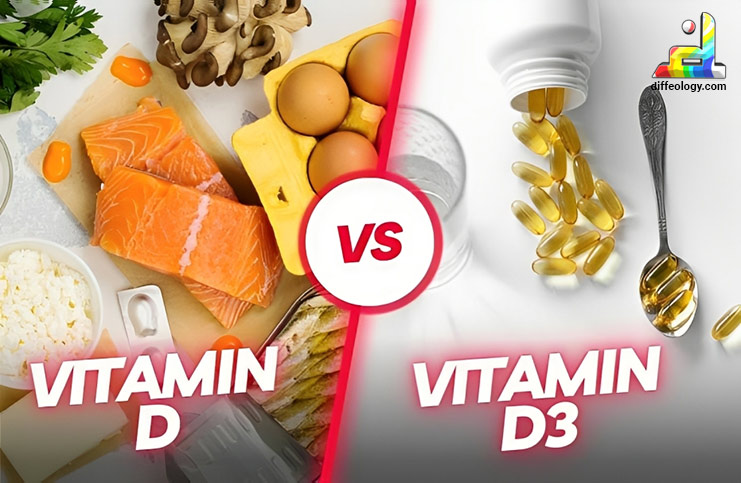
Difference Between Vitamin D and D3
Stand in front of a supplement shelf for more than a minute and you’ll notice something confusing: some bottles say “Vitamin D,” others say “Vitamin D3,” and a few even say “Vitamin D2.” They’re often sitting right next to each other, sometimes at very different price points, which naturally raises the question: What’s the difference between vitamin D and vitamin D3, and does it actually matter which one you buy?
The short answer is that vitamin D3 is a specific type of vitamin D. But the longer answer explains why that distinction is actually worth understanding before you toss a bottle into your cart.
Vitamin D is the umbrella term.
“Vitamin D” isn’t one single molecule—it’s a category that includes two main forms:
- Vitamin D2 (ergocalciferol), which comes primarily from plant sources and fortified foods
- Vitamin D3 (cholecalciferol), which comes from animal sources and is also the form your skin produces naturally when exposed to sunlight
So when someone asks what the difference is between vitamin D and vitamin D3, the most accurate way to think about it is this: Vitamin D is the broad family, and vitamin D₃ is one specific member of that family. A supplement simply labeled “Vitamin D” could technically contain either D2 or D3, so it’s worth checking the fine print if the form matters to you.
How the Body Makes and Uses It
When sunlight hits your skin, a chemical reaction converts a cholesterol-related compound into vitamin D3. From there, your liver and kidneys process it into the active form your body actually uses to support calcium absorption, bone strength, immune function, and muscle health.
Vitamin D2, on the other hand, isn’t produced by the human body at all. It enters your system exclusively through diet or supplements, then goes through a similar conversion process in the liver and kidneys before it becomes usable.
Which One Is More Effective?
This is where the real difference between vitamin D and vitamin D3 becomes practical rather than just technical. Research has generally found that vitamin D3 is more effective at raising and maintaining vitamin D levels in the blood compared to D2. It appears to be absorbed more efficiently and stays active in the body longer, which is why most supplement brands, and most doctors, tend to favor D3 when recommending a supplement.
That doesn’t mean D2 is useless. It’s still a legitimate way to support vitamin D levels, and it remains a common option in fortified foods and in supplements aimed at people following a strict vegan diet, since D3 supplements are traditionally derived from animal sources like lanolin (a substance from sheep’s wool) or fish oil. There are now vegan-friendly D3 options made from lichen, so the animal-derived limitation isn’t as absolute as it used to be.
Why This Distinction Matters for Your Health
Vitamin D plays a bigger role in overall health than many people realize. It helps the body absorb calcium, which supports bone density and reduces the risk of fractures. It also contributes to immune system regulation, muscle function, and even mood, with low levels frequently linked to fatigue and low energy.
Because so many people spend more time indoors, live in climates with limited sun exposure, or simply don’t get enough vitamin D–rich foods in their diet, deficiency is surprisingly common. Choosing the right form of supplement and understanding what the difference is between vitamin D and vitamin D3 can make it easier to actually correct a deficiency rather than just guessing.
How to Choose Between Them
A few practical points to keep in mind:
Check the label. If a product simply says “Vitamin D,” look for the specific form listed in the ingredients, usually noted as D2 or D3.
Favor D3 for general use. Unless you’re avoiding animal-derived ingredients, D3 is typically the more effective option for raising blood levels.
Consider lichen-based D3 if you’re vegan. This lets you get the benefits of D3 without animal-derived sourcing.
Get your levels tested. A simple blood test can tell you whether you’re actually deficient and how much supplementation you might need, rather than relying on guesswork.
The Bottom Line
At its core, the difference between vitamin D and vitamin D3 comes down to this: vitamin D is the general category, while D3 is the specific, more bioavailable form that closely matches what your body naturally produces from sunlight. For most people looking to support healthy vitamin D levels, D3 tends to be the more reliable choice, though D2 still has its place for those avoiding animal products.