
What Happened to Morses Club? Where Things Stand in 2026
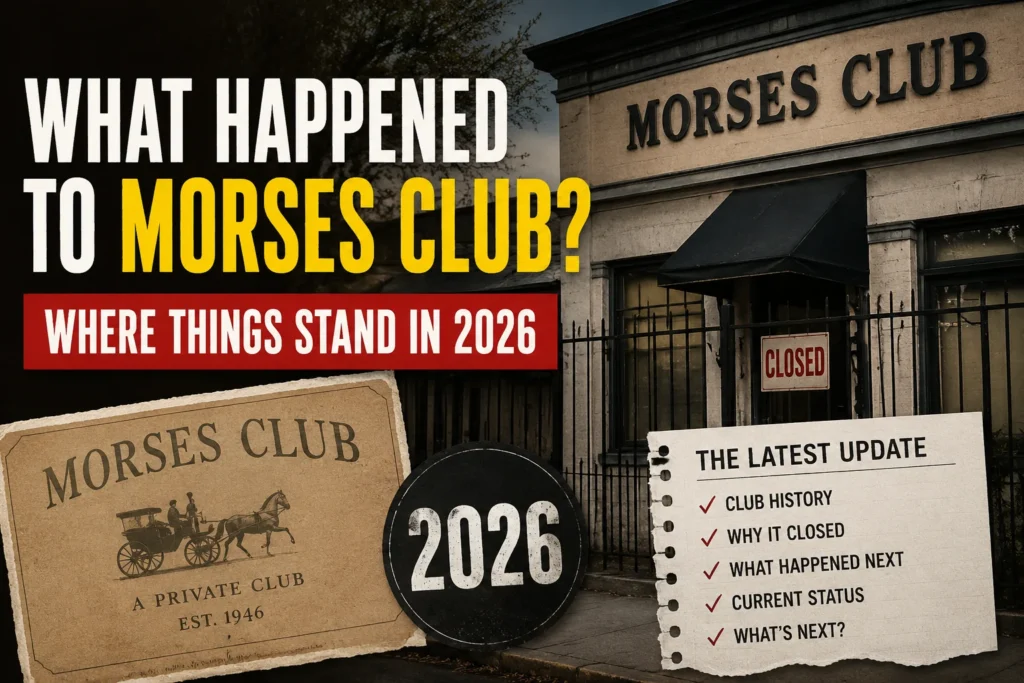
If you’re searching for Morses Club, you’re probably not looking to take out a loan. You’re more likely trying to figure out why a letter arrived from a company called Lantern, whether your old redress claim is ever going to pay out, or what’s happened to a debt you thought you were still paying to Morses. Here’s the short version, and then the details.
Morse’s Club Is No Longer Lending
Morses Club was once the UK’s largest doorstep lender after Provident stopped operating in 2021, serving well over 100,000 customers through home-collected and online loans. That’s over now. The company went into administration on 17 November 2023, after years of paying out affordability refunds it couldn’t afford. It had been losing roughly two-thirds of the affordability cases brought against it at the Financial Ombudsman, and a rescue scheme meant to cap those payouts collapsed.
Once administration was confirmed, Morses stopped lending entirely and made over 100 staff redundant. Its payday-style subsidiary, Dot Dot Loans, went into administration alongside it.
Your Loan Didn’t Disappear. It Moved to Lantern
On 6 March 2024, the administrators sold Morses Club’s outstanding home-collected loan book to Lantern Debt Recovery Services. Any balance you still owed on that date transferred with it. Loans that weren’t sold were written off around the same time, and those customers should have received a letter or email confirming it.
If you’re still repaying an old Morses loan in 2026, you’re almost certainly paying Lantern now, not Morses. A few things worth knowing:
- Lantern has the same legal right to collect that Morses had, and it must handle your account under the original credit agreement and the Consumer Credit Act 1974.
- Stopping payments isn’t a shortcut. It won’t erase the debt, and it can hurt your credit file. If you can’t afford what you’re being asked to pay, talk to a free debt adviser (StepChange, National Debtline, or Citizens Advice can all help) rather than just going quiet.
- You can still raise a complaint about the account. Lantern deals with these directly now.
- Check your credit file. Written-off Morses balances should show as “partially satisfied,” and any default should still drop off six years after the default date. If something looks wrong, contact the credit reference agency directly.
What Happened to Redress Claims
This is the part that disappoints most people. Around 60,000 customers had an affordability complaint upheld, meaning Morses agreed they’d been lent money they couldn’t reasonably afford to repay. Under normal rules, that comes with a cash refund.
There’s no meaningful cash left. Administrators found there wasn’t enough money to pay unsecured creditors, including those who upheld claims. The one exception is a small pot called the Early Termination Fund, roughly £1.2 million, set aside years earlier in case the original refund scheme failed. Split across 60,000 people with a combined claim value north of £130 million, the payout worked out to under 1 penny per pound owed. On a £1,000 claim, that’s less than £9. That distribution has now been made, the claim window is closed, and no further payment is coming.
If your loan balance was still outstanding when this redress was calculated, the administrators say it should have already been reduced or written off to reflect the affordability finding, so the loan sold to Lantern should already account for it. If you think that wasn’t done correctly, that’s worth raising directly with Lantern.
What This Means for You Right Now
If you owe money on an old Morses Club loan, deal with Lantern, and get advice early if repayments are a struggle. If you were owed a redress refund, that process has closed, and no further money is expected. If you’re getting contact that doesn’t mention Lantern at all, or something about your account doesn’t match what’s described here, it’s worth double-checking who you’re actually dealing with before you pay anyone anything.








1 thought on “What Happened to Morses Club? Where Things Stand in 2026”