Growth Navigate Startup Tools: A Practical Guide for Founders
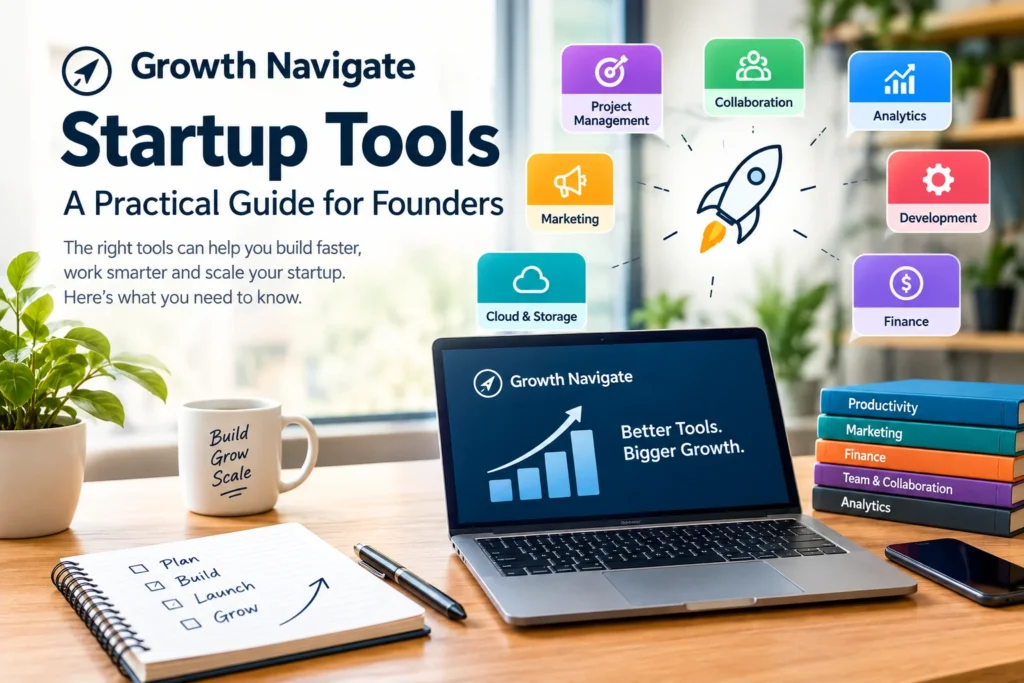
Every founder hits the same wall eventually. You’re tracking leads in one tab, half-updating a CRM in another, and trying to remember which investor asked for a follow-up two weeks ago. That’s not a discipline problem. It’s a tooling gap, and it’s why “growth navigate startup tools” has become such a common search: people aren’t looking for one app; they’re looking for a system.
What Are Growth Navigate Startup Tools?
Growth navigate startup tools are the software platforms founders use to find opportunities, track progress, and make decisions about where to spend limited time and money. That covers a wide range of jobs: finding investors, prioritizing leads, automating outreach, keeping a small team aligned, and measuring what’s actually working versus what just feels productive.
The category exists because early-stage teams don’t have the headcount to absorb inefficiency the way bigger companies can. A 200-person company can afford a rep who spends half their week on manual research. A two-person founding team can’t.
Why the Right Stack Matters More Than the Right Tool
It’s tempting to think the answer is “add more software.” It usually isn’t. Software sprawl is a real cost, not just an inconvenience: even companies with under 100 employees now run an average of around 44 separate SaaS applications, and most of those subscriptions get renewed on autopilot long after anyone checks whether they’re still useful. fungi
There’s also a runway argument for getting this right early. Startups most commonly fail because they build something the market doesn’t want, run out of cash before their next milestone, or hit unrecoverable conflict inside the founding team, not because a competitor out-executed them. Tools won’t fix a bad product-market fit. But the right ones do buy back the hours a founder would otherwise spend on manual research and admin, hours that are better spent talking to customers or fixing the thing that’s actually broken. launchrock
So the goal isn’t a long tool list. It’s a small, deliberate stack that matches your current stage.
What to Look for Before You Buy Anything
Before adding a tool to your stack, run it through a few filters:
- Does it solve a problem you have right now, not one you might have in a year. Enterprise features you won’t touch for months are money better spent elsewhere.
- Does it integrate with what you already use. A tool that doesn’t sync with your CRM or email just creates a second place to check.
- How fast can your team actually adopt it. If it needs two weeks of training before anyone sends a real campaign, that setup time is a cost too.
- Is the data behind it current. Stale contact lists or outdated funding data make every decision built on top of them worse.
- Can you cancel easily. Annual-only contracts on a tool you haven’t validated yet are one of the fastest ways to waste a limited budget.
The Main Categories of Growth Navigate Tools
Rather than one big numbered list, it’s more useful to think in terms of the problem each category solves.
Investor and market research. Tools in this bucket help you see who’s raising, who’s hiring, and which investors are actually active in your space. They’re research tools, not outreach tools; they tell you who to contact, not how to reach them.
CRM and pipeline tracking. This is where deals, leads, and relationships actually live. Early on, a lightweight CRM that lets you build your own fields and stages usually beats a rigid, enterprise-grade one, because your process is still evolving.
Outreach and lead execution. Once you know who to contact, something has to actually run the campaigns: sequencing emails, managing LinkedIn outreach, and following up automatically. This is the layer most founders underinvest in, then wonder why a full pipeline of “good leads” never turns into meetings.
Marketing automation. As you move past pure outbound, you need something to nurture leads that aren’t ready yet: email sequences, landing pages, and basic segmentation.
Operations and internal workflow. The tools that quietly matter most and get talked about least. Support automation, internal documentation, and workflow tools free up the hours a small team needs for the actual growth work.
Analytics and reporting. Somewhere to see whether any of the above is working. This doesn’t need to be sophisticated at first; it needs to be checked regularly.
Building the Right Stack for Your Stage
Pre-launch or solo founder: you mostly need a place to track relationships (an early CRM or even a well-organized spreadsheet) and a way to find the right investors, mentors, or early customers. Anything heavier is premature.
First GTM hires (1-3 person team): this is usually when outreach automation earns its cost. You have someone spending real hours on outbound, so a tool that removes manual sequencing work pays for itself quickly.
The team is running, but ops are messy: this is the stage to add market/account research automation and tighten your CRM setup, because manual research starts eating hours that should go toward closing.
Scaling past the founder-led sales stage: analytics and internal workflow automation start to matter more, since decisions now depend on data more than gut feel, and support/ops load grows faster than headcount usually does.
A good rule of thumb: don’t buy for the team you’ll have in a year. Buy for the team and problem you have this quarter, and add tools as the gaps actually show up.
Common Mistakes Startups Make Choosing These Tools
- Buying the flashiest platform instead of the one that fits current volume. A tool built for enterprise sales teams often has more configuration overhead than a two-person team can absorb.
- Skipping the trial period. Committing to annual billing before validating the workflow is one of the more common ways early SaaS budgets get wasted.
- Ignoring integration fit. A tool that doesn’t connect to your existing CRM or email just adds a second manual step, not less work.
- Treating tools as a strategy substitute. Automation can send more messages faster, but it can’t fix messaging or targeting that was wrong in the first place.
- Letting subscriptions run on autopilot. Nobody budgets time to audit tool spend quarterly, and it adds up fast.