
Liver Issues in Cats: What Every Owner Should Know
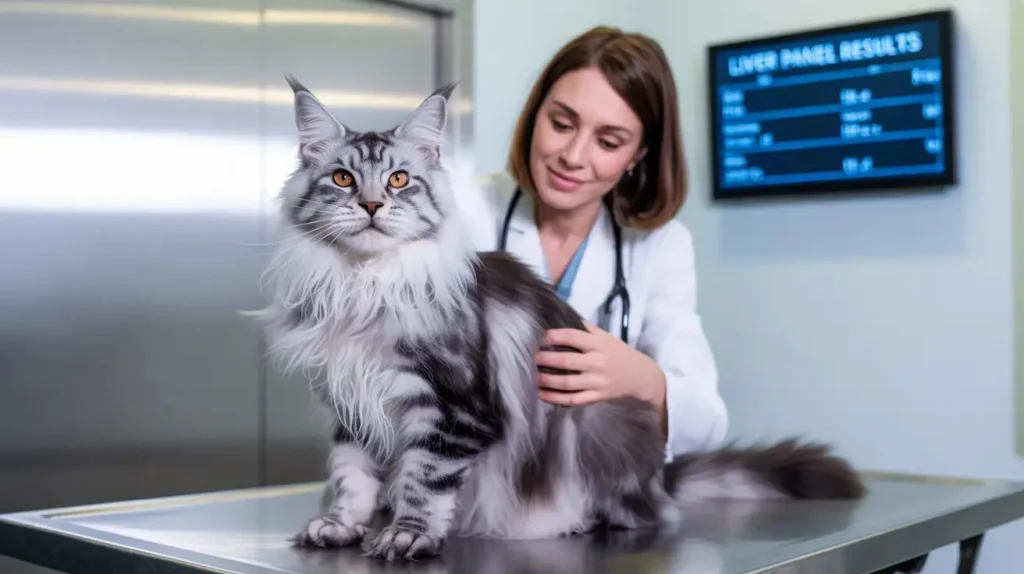
If your cat has stopped eating for more than a day or two, or you’ve noticed a yellow tint to her eyes, don’t wait it out. The liver is one of the few organs in a cat’s body that can fail quietly, then suddenly, and by the time symptoms are obvious, the damage is often well underway.
Cats aren’t small dogs when it comes to liver disease. Their bodies process fat differently, they need far more protein than most other pets, and that combination makes them uniquely prone to a fast-moving condition called hepatic lipidosis. Understanding how feline liver disease develops, what it looks like, and how vets treat it can genuinely be the difference between catching it early and losing precious time.
What Does the Liver Actually Do for a Cat?
The liver is disproportionately large in cats relative to their size, and it’s busy. It filters toxins out of the bloodstream, produces bile to digest fat, stores vitamins, manages blood sugar through glycogen storage, and builds the proteins that help blood clot. When something disrupts that workload, whether it’s inflammation, fat buildup, infection, or a structural problem, the ripple effects show up almost everywhere in the body.
That’s part of what makes liver disease so tricky to catch. A cat with liver trouble might just seem a little “off,” not sick in any specific way, which is exactly why so many cases aren’t diagnosed until they’re advanced.
Common Types of Liver Disease in Cats
Vets generally sort feline liver disease into a handful of categories, and two of them account for the large majority of cases seen in clinics.
Hepatic lipidosis (fatty liver disease). This is the most common liver condition unique to cats, and it’s also one of the most urgent. It typically starts when a cat stops eating, often because of stress, another illness, or a change in environment. Once appetite drops for three or four days, the body starts breaking down fat stores for energy. In cats, that fat gets shipped to the liver faster than the organ can process it, so it accumulates inside liver cells and chokes off normal function. Overweight cats are at the highest risk, and according to the Cornell Feline Health Center, more than 90% of hepatic lipidosis cases trace back to an underlying illness that caused the cat to stop eating in the first place.
Cholangitis. This is inflammation of the liver and bile duct system, and it comes in a few forms, from a bacterial infection that hits suddenly to a chronic, immune-related version that develops slowly. Together, cholangitis and hepatic lipidosis make up roughly two-thirds of all feline liver disease diagnosed at a typical veterinary hospital.
Portosystemic shunts. These are usually congenital, meaning a cat is born with an abnormal blood vessel that routes blood around the liver instead of through it. Toxins that should be filtered out end up circulating in the bloodstream instead.
Toxin exposure. Certain plants, moldy food, some medications, and rodenticides can cause sudden, severe liver damage. Even something as ordinary as an accidental dose of a human painkiller can trigger acute liver failure in a cat.
Liver tumors and cancer. Less common but serious, these can be primary liver cancers or, more often, cancer that has spread from elsewhere in the body.
Signs of Liver Problems in Cats
This is where things get frustrating for cat owners. Early liver disease rarely announces itself. The signs tend to be vague at first and then escalate.
Watch for:
- Decreased appetite or complete refusal to eat
- Lethargy or a noticeable drop in energy
- Weight loss, sometimes rapid
- Vomiting or diarrhea
- Increased thirst and urination
- Yellowing of the eyes, gums, or skin (jaundice)
- A swollen or fluid-filled abdomen
- Drooling or bad breath
- Behavioral changes, disorientation, circling, or in severe cases, seizures
That last group of symptoms, the neurological ones, points to a complication called hepatic encephalopathy, where toxins the liver can no longer filter start affecting the brain. It’s a sign that liver function has dropped significantly and needs immediate veterinary attention.
If you notice jaundice, especially in the whites of the eyes, treat it as an emergency. That yellow tint means bilirubin is building up in the blood, and it doesn’t happen without a real problem underneath it.
What Causes Liver Disease in Cats?
There’s rarely a single, tidy cause. Vets often describe feline liver disease as either primary (something wrong with the liver itself) or secondary (damage that results from another condition entirely). Common contributors include:
- Obesity, particularly combined with a period of not eating
- Diabetes and hyperthyroidism
- Pancreatitis
- Inflammatory bowel disease
- Infections, including feline leukemia virus
- Certain medications and toxins
- Congenital vascular abnormalities
Because the causes vary so widely, your vet will typically want a full picture of your cat’s age, weight history, diet, and any recent stressors, like a move, boarding stay, or new pet in the house, before narrowing things down.
How Vets Diagnose Liver Issues
Diagnosis usually starts with bloodwork. Elevated liver enzymes are often the first red flag, and from there, your vet may order:
- A urinalysis to check kidney function and rule out other causes
- Abdominal ultrasound or X-rays to look at the liver’s size and structure
- A fine needle aspirate or full biopsy, which gives the clearest answer about what’s actually happening inside the liver tissue
A biopsy sounds intense, but it’s often the only way to distinguish between conditions that look similar on bloodwork but require completely different treatment.
Treatment Options for Cats with Liver Disease
Treatment depends heavily on the underlying cause, but a few pillars show up across almost every case.
Nutritional support comes first. Because so much feline liver disease starts with a cat that stopped eating, getting calories and protein back into the body is often the single most important step. Cats are obligate carnivores with unusually high protein requirements, so unlike some other species, they generally shouldn’t be put on a low-protein diet. Vets often use appetite stimulants, and in more severe cases, a feeding tube, to make sure the cat is getting adequate nutrition while healing.
Treating the underlying condition. If hyperthyroidism, diabetes, or an infection triggered the liver problem, that condition needs to be addressed directly, or the liver issue will keep coming back.
Supportive medications. Depending on the diagnosis, your vet might prescribe antibiotics, anti-nausea medication, liver-protectant supplements like SAMe, or ursodiol to improve bile flow. Fluid therapy is common too, especially in acute cases, to support hydration and help flush toxins.
Time and patience. The liver has a genuine capacity to regenerate, which is one piece of good news in an otherwise stressful diagnosis. But recovery, especially from hepatic lipidosis, often takes weeks of consistent feeding and monitoring rather than days.
What’s the prognosis?
This varies a lot depending on how early the disease was caught and what’s driving it. Hepatic lipidosis, when caught and treated aggressively, has a reasonably good prognosis; many cats recover fully with weeks of nutritional support. But that outcome depends heavily on whether the underlying cause was also identified and managed. Chronic conditions like certain forms of cholangitis or advanced cancer carry a more guarded outlook.
The honest takeaway from most veterinarians is this: time matters more than almost anything else. A cat brought in during the early, vague-symptom stage has a very different set of odds than one that arrives already jaundiced and dehydrated.
Can Liver Disease in Cats Be Prevented?
Not entirely, since so many cases stem from underlying illness or congenital issues you can’t control. But a few habits meaningfully lower the risk:
- Keep your cat at a healthy weight. Obesity is the single biggest risk factor for hepatic lipidosis.
- Never let a cat go more than 24 hours without eating, especially during stressful periods like boarding, moving, or a new pet arriving.
- Keep up with routine wellness exams so conditions like hyperthyroidism or diabetes get caught early, before they cascade into liver problems.
- Store medications, cleaning products, and toxic plants well out of reach.
- If your cat suddenly stops eating for any reason, call your vet the same day rather than waiting to see if it passes.






1 thought on “Liver Issues in Cats: What Every Owner Should Know”