
Vitamin S: The Nutrient You Can’t Buy at a Pharmacy
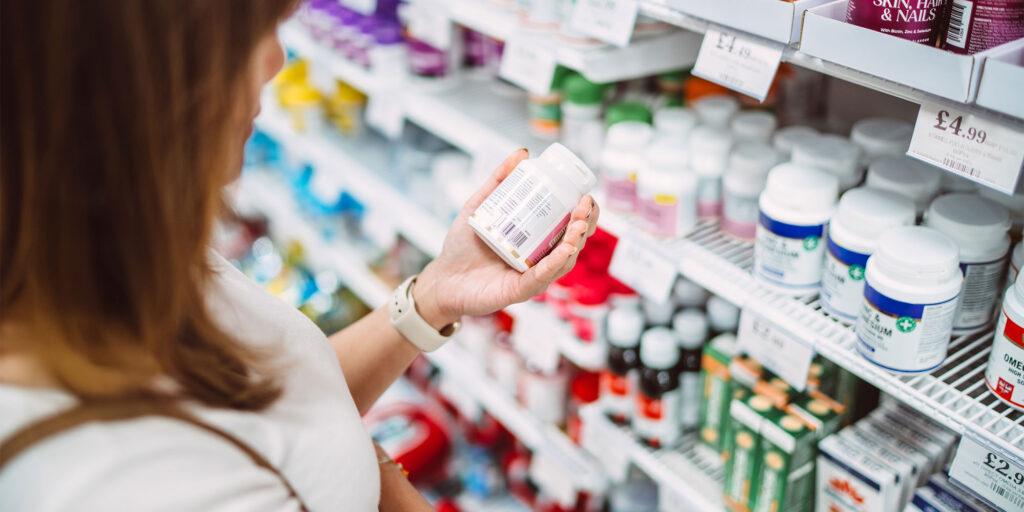
Walk down any pharmacy aisle and you’ll find rows of vitamins promising sharper focus, stronger bones, or better immunity. But there’s one “vitamin” you won’t find on any shelf, and yet doctors and psychologists increasingly agree it might matter just as much as the ones you can swallow. It’s called Vitamin S, and it stands for something we all crave but often neglect: social connection.
What Exactly Is Vitamin S?
Vitamin S isn’t a real vitamin in the biochemical sense—you won’t find it in a lab or a supplement bottle. It’s a term coined by researchers and wellness writers to describe the measurable, almost nutrient-like effect that meaningful human interaction has on our bodies and minds. Think of it as shorthand for the benefits we get from spending time with friends, family, coworkers, or even friendly strangers.
The idea behind Vitamin S is simple: just as your body needs vitamin C for immunity or vitamin D for bone health, your mind and body seem to need a regular dose of social contact to function at their best. Skip it for too long, and the effects show up—lower mood, higher stress, weaker resilience, and even physical symptoms like fatigue or a compromised immune response.
Why We’re Talking About Vitamin S Now
The concept has gained traction for a good reason. Remote work, digital communication, and busier schedules have quietly reduced the amount of face-to-face contact many people get in a normal week. Add in the isolation many experienced during the pandemic years, and it’s no surprise that loneliness has become a widely discussed public health topic.
Researchers have found that chronic loneliness can raise the risk of heart disease, weaken the immune system, and even shorten lifespan by an amount comparable to smoking a pack of cigarettes a day. Against that backdrop, the idea of treating social contact as an essential “nutrient”—something to be planned for and consumed regularly—starts to make a lot of sense.
The Science Behind the Idea
There’s real biology behind the concept, even if the name is a bit playful. Positive social interaction triggers the release of oxytocin, sometimes called the “bonding hormone,” which helps lower stress and promote feelings of trust and calm. Laughing with friends, sharing a meal, or even a short chat with a neighbor can lower cortisol levels, the hormone associated with stress.
Studies on aging populations have also shown that people with strong social ties tend to have better cognitive function later in life, recover from illness more quickly, and report higher overall life satisfaction. In other words, a steady supply of vitamin S appears to support both mental and physical health in ways that are increasingly hard to ignore.
Signs You Might Be Low on Vitamin S
Just like a vitamin deficiency, a shortage of social connection tends to show up gradually. Some common signs include:
- Feeling drained or flat even when nothing specific is wrong
- A growing reluctance to make plans or reach out to others
- Trouble sleeping or a general sense of restlessness
- Increased irritability or a shorter emotional fuse
- A nagging sense of disconnection, even in a crowded room
None of these symptoms are exclusive to a lack of social contact, but if they sound familiar and your calendar has been unusually quiet on the “seeing people” front, it might be worth paying attention.
How to Get Your Daily Dose
The good news is that, unlike some nutrients, Vitamin S doesn’t require a prescription or a trip to the store. A few practical ways to work more of it into daily life:
Prioritize small, regular contact. A five-minute phone call or a coffee with a coworker counts. Consistency matters more than grand gestures.
Put down the phone during real conversations. Genuine eye contact and attention seem to deliver a stronger dose than a scrolling, half-present exchange.
Join something recurring. A weekly class, a book club, or a regular walking group builds social contact into your routine automatically, so you’re not relying on willpower alone.
Reach out first. Many people wait for others to initiate. Being the one who sends the text or makes the call often has a bigger payoff than expected for both sides.
Mix up your circles. Family, close friends, and casual acquaintances each seem to offer a slightly different flavor of connection. A healthy social diet, much like a healthy food diet, benefits from variety.
A Simple Shift in Perspective
Framing social connection as “Vitamin S” does something useful: it takes an experience we often treat as optional—something to fit in if there’s time left over—and repositions it as a basic requirement for well-being. Nobody skips their vitamins for a month and expects to feel their best. The same logic, it turns out, applies to the people in our lives.
You don’t need a doctor’s note to start taking your Vitamin S seriously. A phone call to an old friend, dinner with family, or a genuine conversation with a coworker might do more for your health this week than anything in a pill bottle. Sometimes the simplest nutrients are the ones we’re most likely to forget.







1 thought on “Vitamin S: The Nutrient You Can’t Buy at a Pharmacy”